Russo-Turkish War (1877–1878)
War that freed Balkan states and shifted Black Sea power.

Unknown author · Public domain
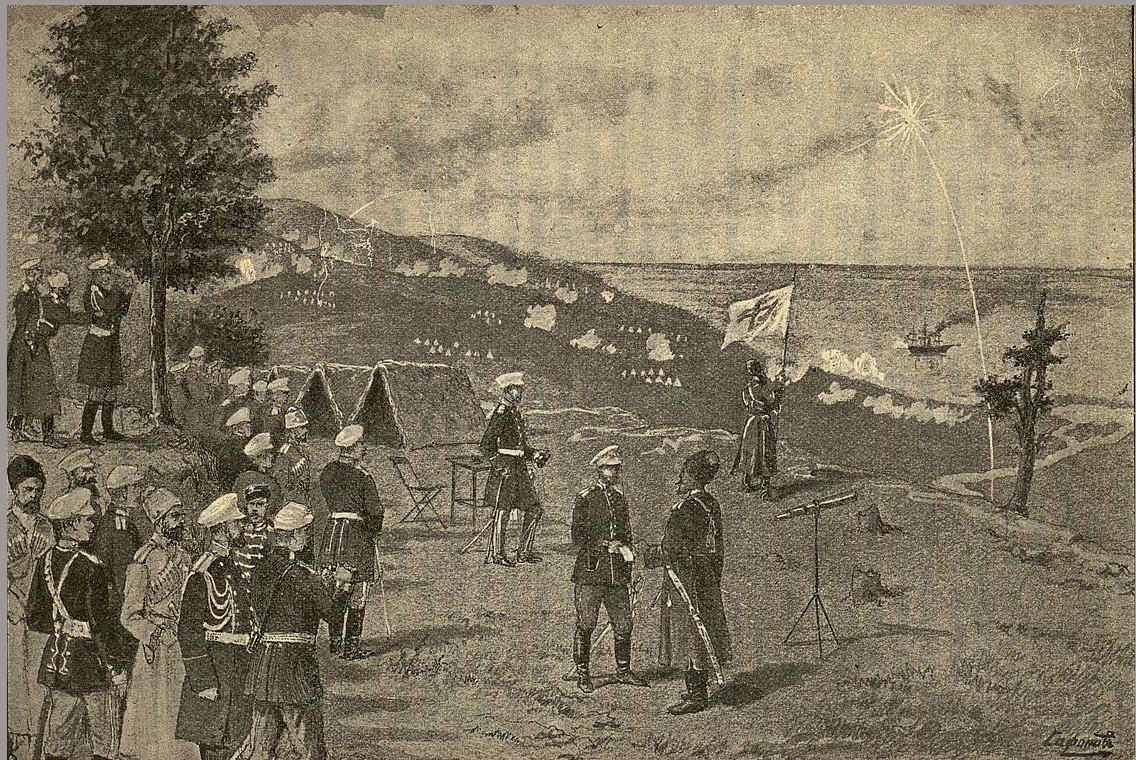
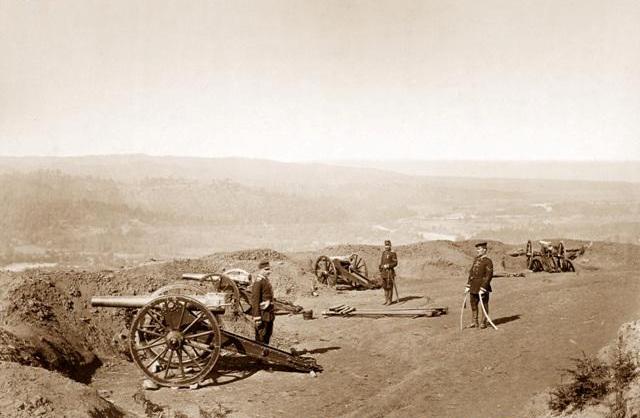
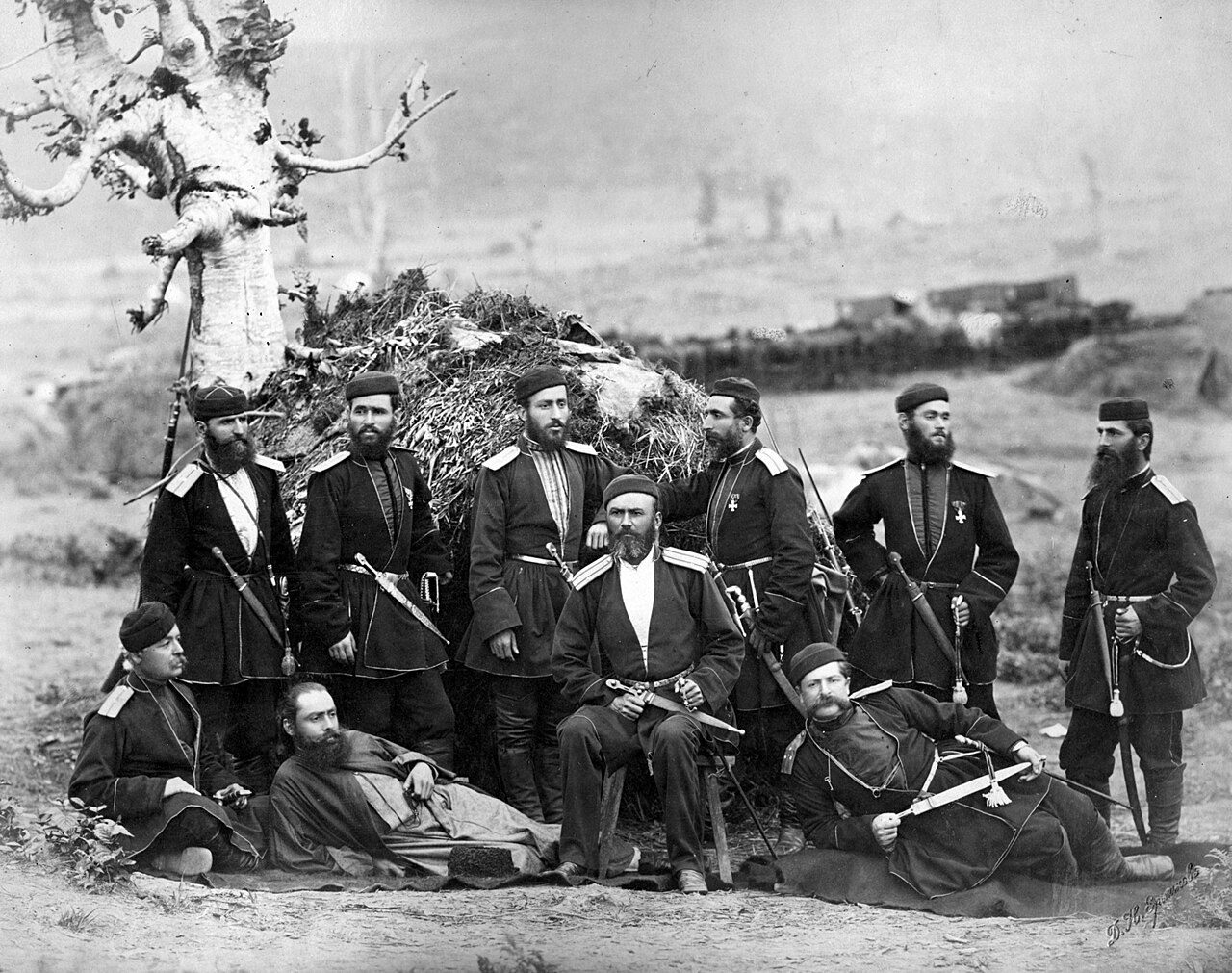
The war was precipitated by Russian goals of recovering territorial losses from the Crimean War, re-establishing itself in the Black Sea, and supporting Balkan nationalist movements. The Russian-led coalition won, pushing the Ottomans to the gates of Constantinople and prompting Western European intervention.
- Belligerents
- Ottoman Empire vs. Russian Empire, Romania, Serbia, Montenegro
- Outcome
- Russian-led coalition victory
- Territorial changes
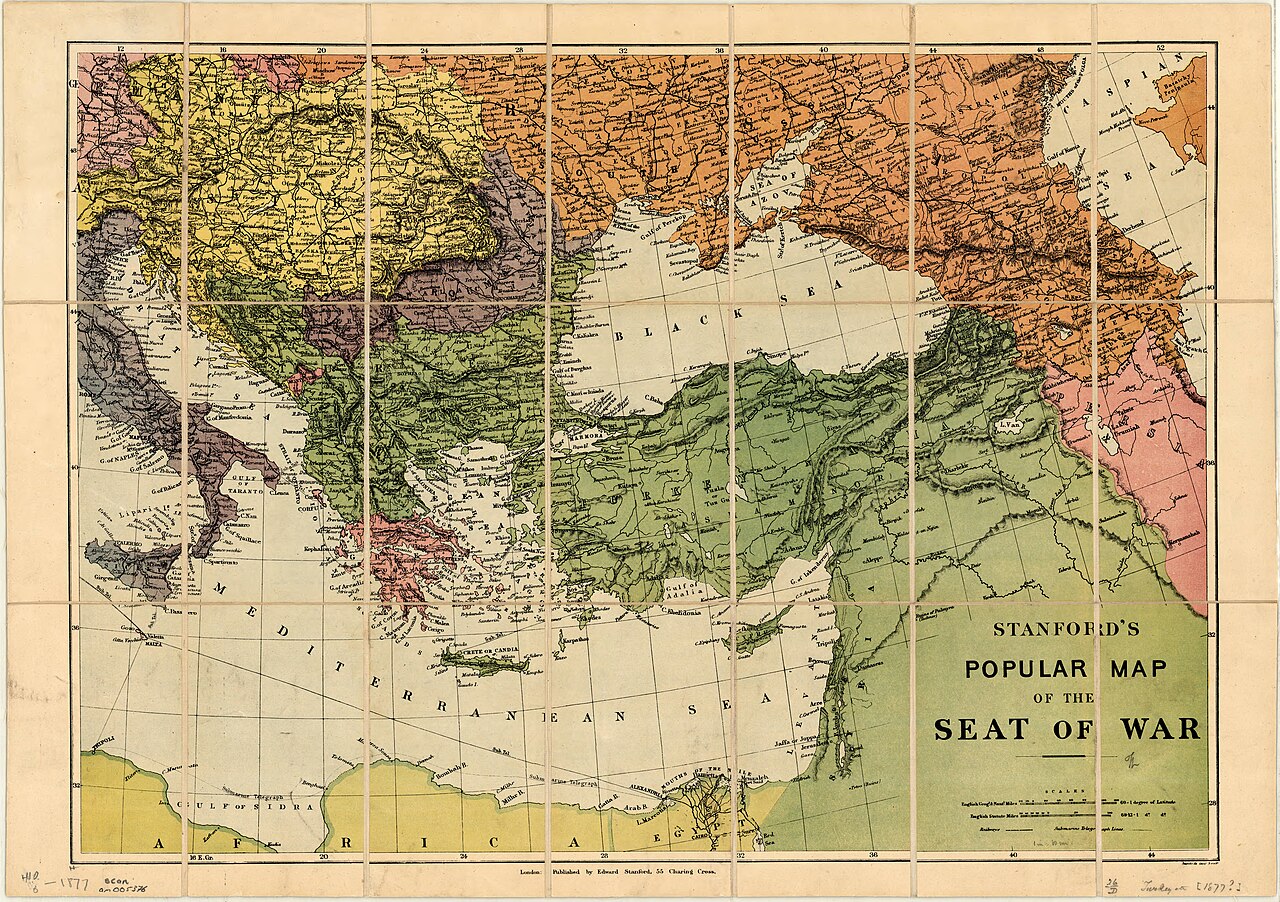
- Russia gained Kars, Batum, and Budjak; Romania, Serbia, Montenegro gained independence; Bulgaria became autonomous; Greece annexed parts of Thessaly and Arta
- Key precipitating factor
- Russian desire to recover Crimean War losses and support Balkan liberation
Lore & Background
The war's background included the decline of Ottoman power after the Crimean War, financial strain from foreign loans and the influx of Circassian refugees, and the rise of Pan-Slavic ideas.
Reader's Guide
It resulted in the formal independence of Romania, Serbia, and Montenegro, and the emergence of an autonomous Bulgaria under Russian influence. Russia reclaimed territories in the Caucasus and the Budjak region. The war also demonstrated the fragility of the Ottoman Empire and the competing interests of European powers, leading to the Congress of Berlin. Its legacy includes the continued decline of Ottoman control in Europe and the rise of nationalist states, though the intervention of Western powers limited Russian gains.
Did You Know?
- The Russian-led coalition pushed Ottoman forces back to the gates of Constantinople.
- Russia annexed the Budjak region and the Caucasian provinces of Kars and Batum.
- Bulgaria emerged as an autonomous state after almost five centuries of Ottoman domination.
- Greece annexed parts of Thessaly and Arta as a result of the war.
The Longest Rivalry in European History
The pattern across those centuries was remarkably consistent: with the exception of just four engagements, the Ottoman Empire emerged on the losing side, a reflection of its broader period of stagnation and decline. In stark contrast, the Russian Empire's trajectory pointed upward, particularly after Peter the Great drove sweeping modernization reforms in the early eighteenth century, transforming Russia into a formidable European power. The rivalry's final chapter was sealed not by a decisive battlefield victory but by the mutual collapse of both empires in the wake of World War I.
Blood on the Volga: The First Clash
The campaign ended in catastrophic failure for the Ottoman forces: they failed to capture the city, and the army nearly perished entirely in the open steppes. To compound the disaster, the Ottoman fleet was destroyed by a storm in the Sea of Azov. The resulting peace treaty solidified Russian control over the Volga region, though it did grant the Ottomans certain commercial privileges. The conflict did not end cleanly, however. Yet the following year, at the Battle of Molodi, the Crimean forces were decisively defeated, halting their advance for good.
Ukraine: The Contested Frontier
The seventeenth-century phase of the Russo-Turkish rivalry was defined by a bitter struggle over Ukrainian territory.
Peter's Gambit and the Caucasus Question
A different kind of cooperation emerged in the 1720s, as Russia and the Ottomans jointly carved up the declining Safavid Persian Empire, with Russia taking Dagestan, Azerbaijan, and Northern Iran, and the Ottomans claiming Armenia and parts of Eastern Anatolia.
Gallery
More in Wars & Conflicts 1-20
Spotted an error? Know more?
This is a living reference — every entry is fact-audited, and reader corrections feed straight into our audit queue. Suggest an edit · See this site's audit record