Peloponnesian War
A Greek war for hegemony between Athens and Sparta.

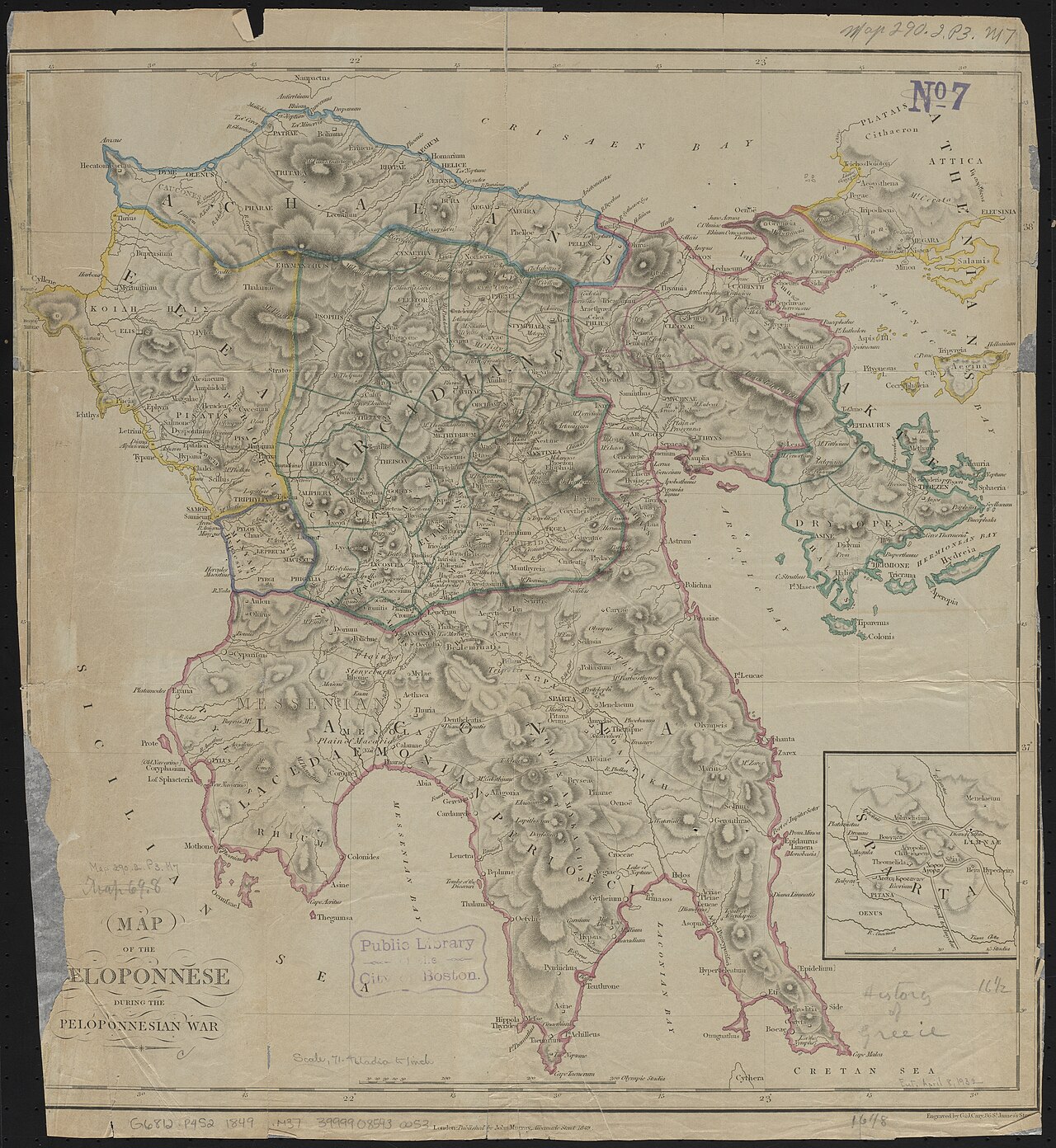
G. & J. Cary, John Murray · Public domain
The war consisted of four related phases: the Ten Years' War (or Archidamian War), the Argive War, the Sicilian Expedition, and the Decelean War (or Ionian War). It ended with the defeat of Athens, the dissolution of the Delian League, and a brief period of Spartan hegemony.
- Conflict
- Peloponnesian War
- Location
- Eastern Mediterranean (Ancient Greece)
- Belligerents
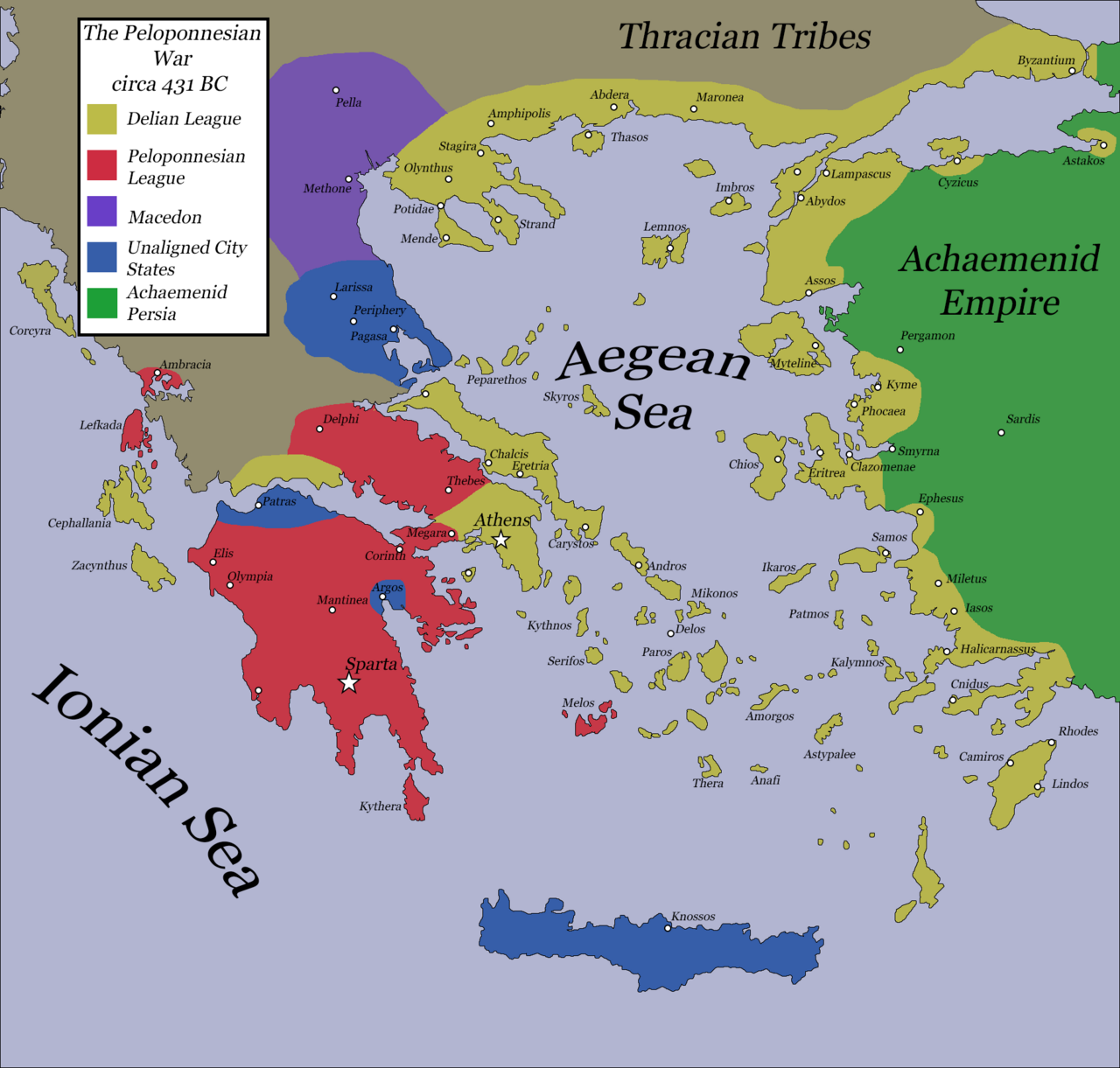
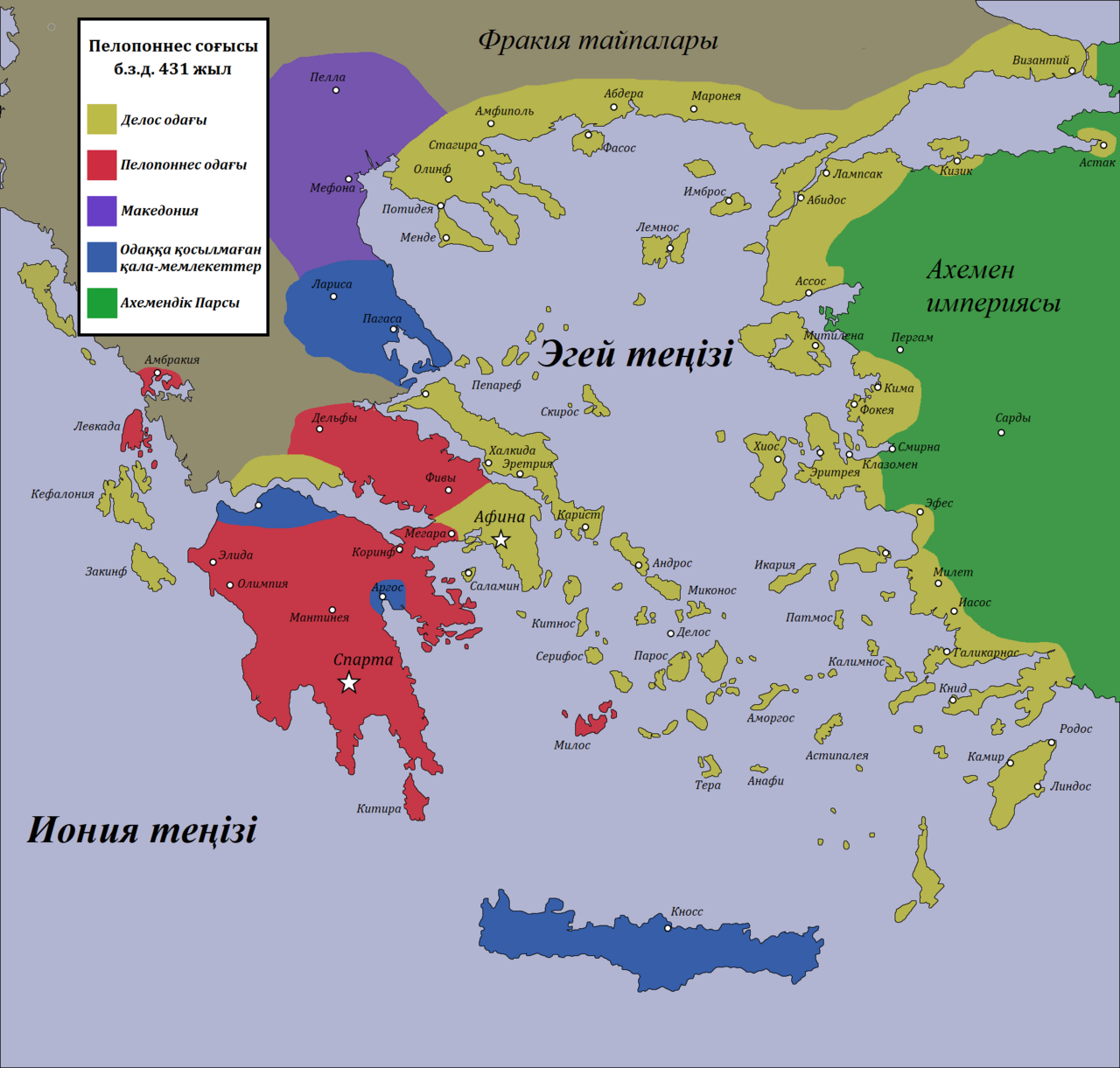
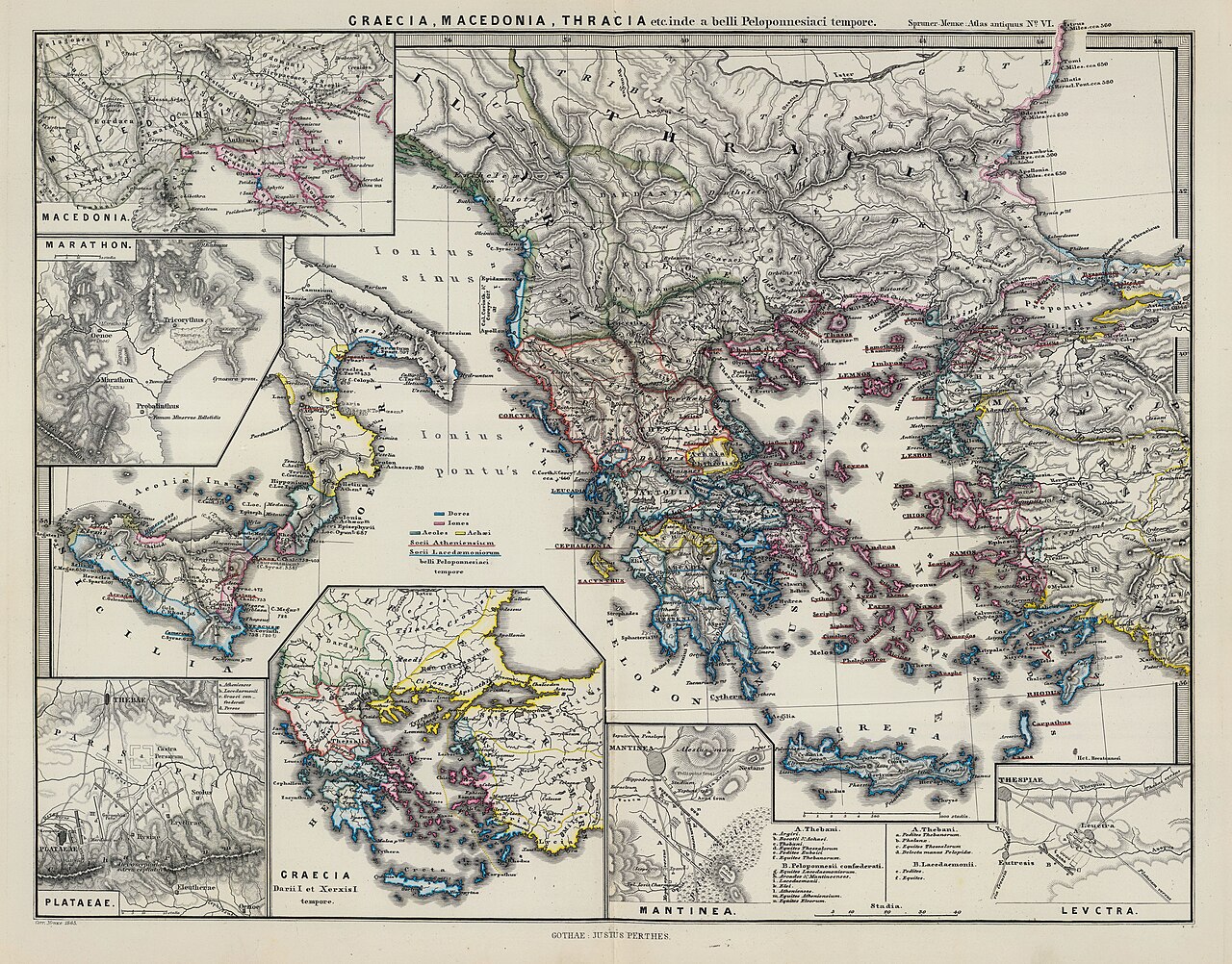
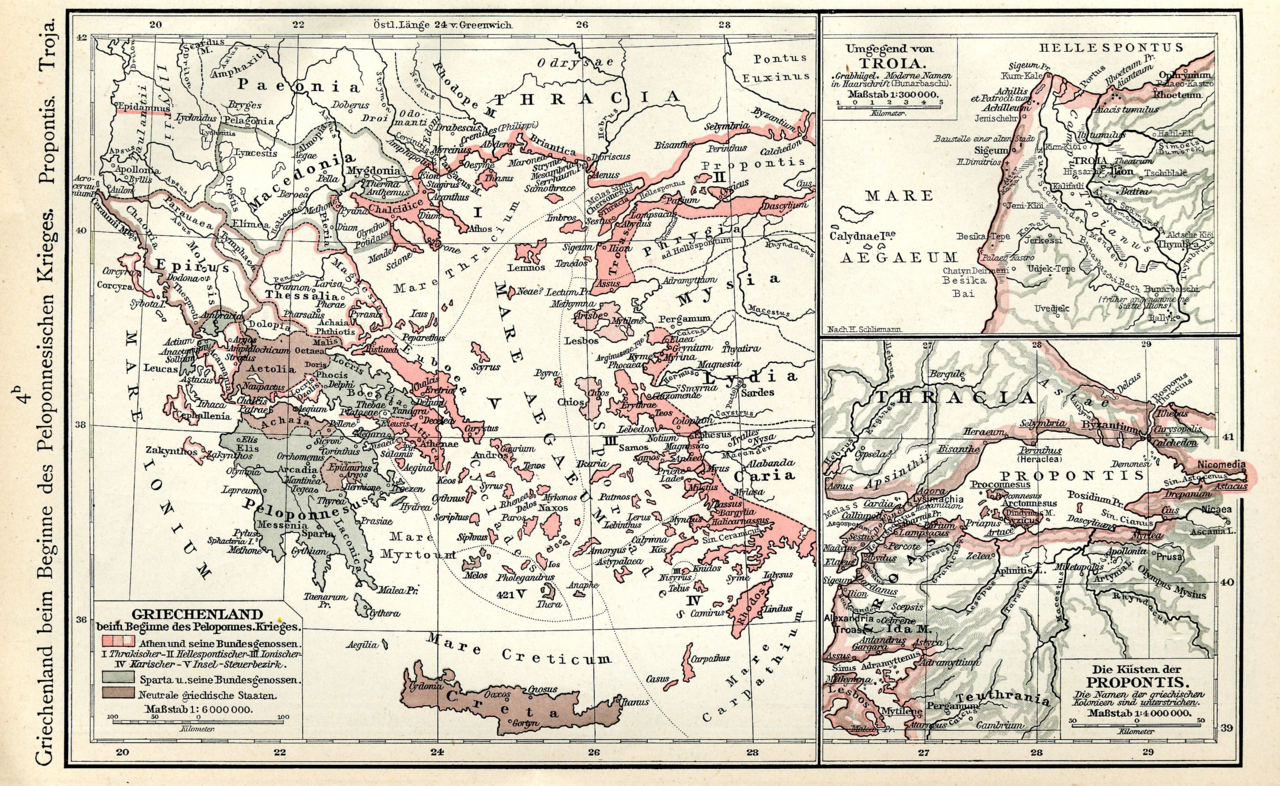
- Athenian-led Delian League vs. Spartan-led Peloponnesian League
- Outcome
- Spartan victory; dissolution of the Delian League; Spartan hegemony
Reader's Guide
The Peloponnesian War transformed the ancient Greek world. Athens lost its Aegean empire and maritime dominance, while Sparta became the leading power, though its hegemony was short-lived. The war caused widespread poverty in the Peloponnese and economic devastation in Athens, which never regained its pre-war prosperity. The conflict also shifted Greek warfare from limited, formalized engagements to total war between competing political ideologies (democracy vs. oligarchy), making civil war common. The divisions and destruction helped lead to foreign domination and the end of Greece's golden age. The main historical source is Thucydides' incomplete account, continued by Xenophon, with additional information from Diodorus Siculus, Plutarch, and limited archaeological evidence.
Did You Know?
- The war is traditionally divided into four related conflicts: the Ten Years' War, the Argive War, the Sicilian Expedition, and the Decelean War.
- After the war, the Delian League's democracies were replaced with Spartan-style oligarchies, including the Thirty Tyrants in Athens.
Gallery
More in Wars & Conflicts 1-20
Spotted an error? Know more?
This is a living reference — every entry is fact-audited, and reader corrections feed straight into our audit queue. Suggest an edit · See this site's audit record