Russo-Japanese War
War between Russia and Japan over imperial ambitions in East Asia.

Imperial Instituto Artistico · Public domain
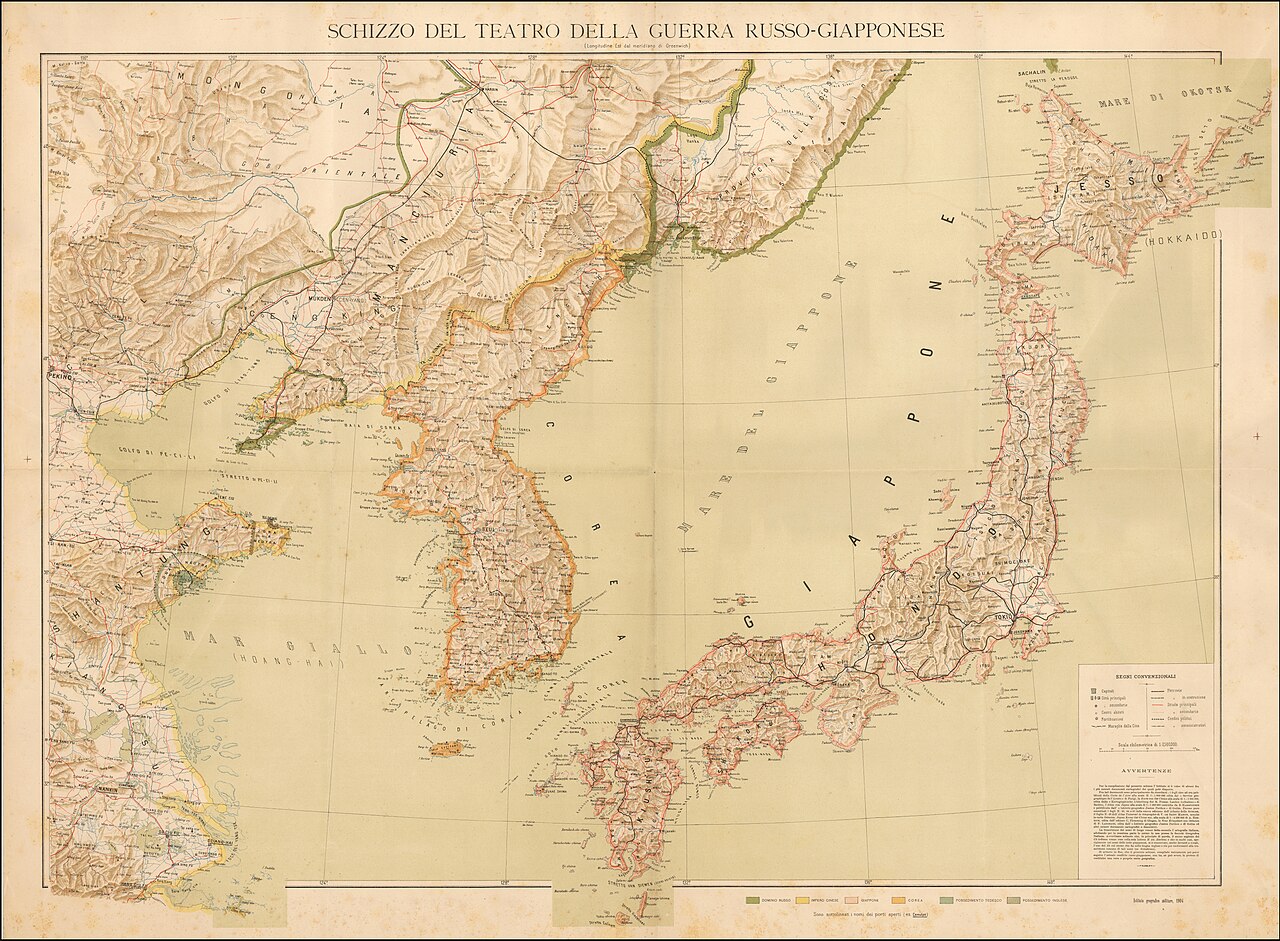
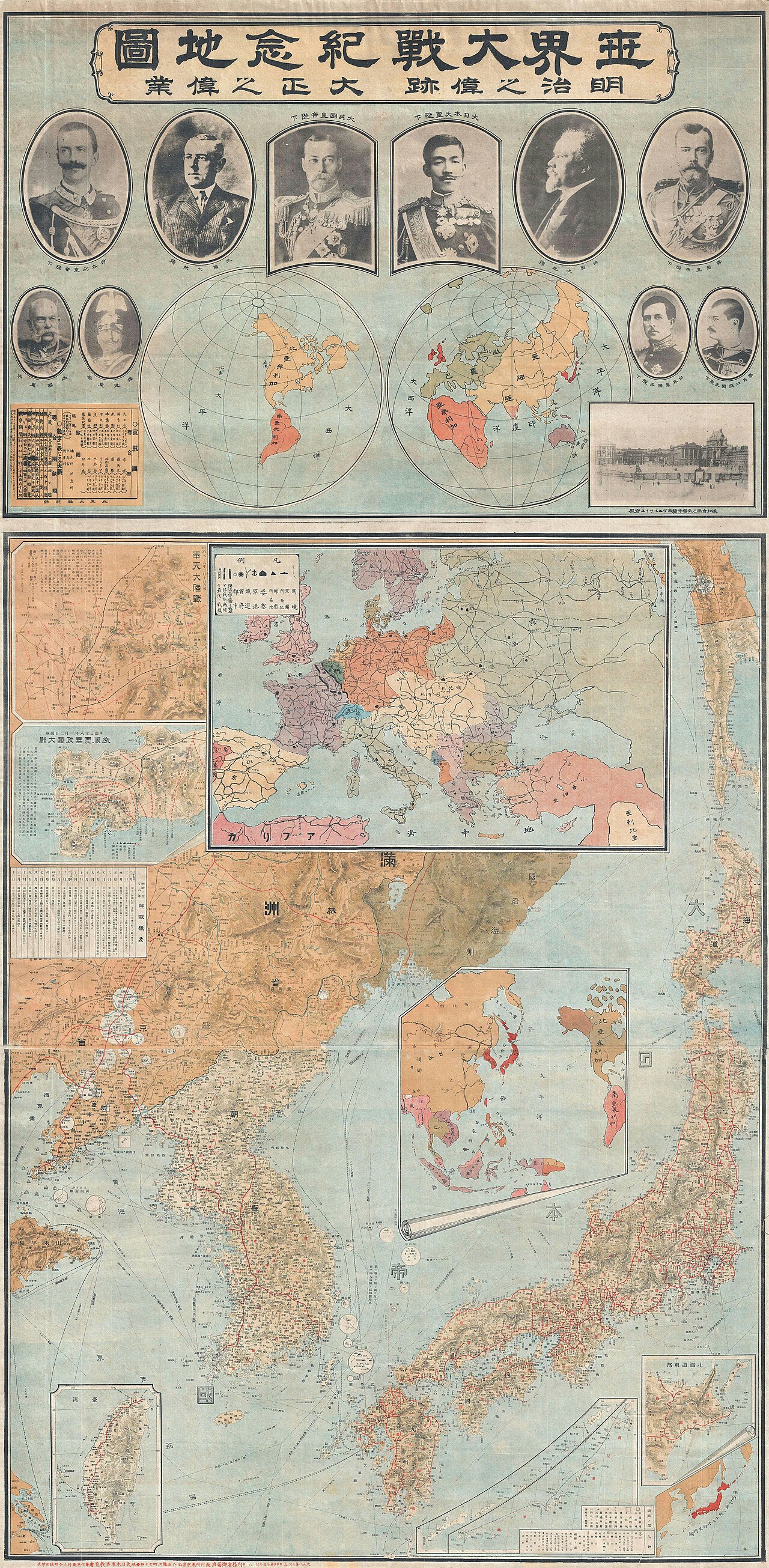
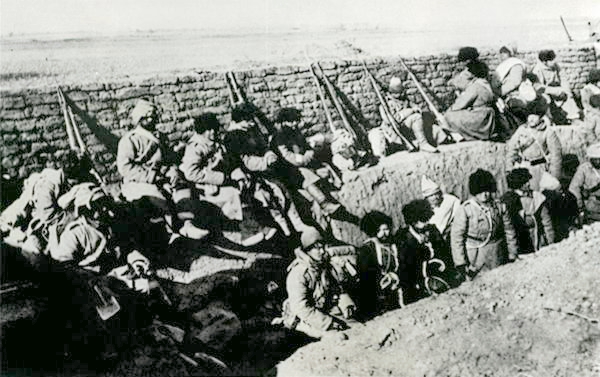
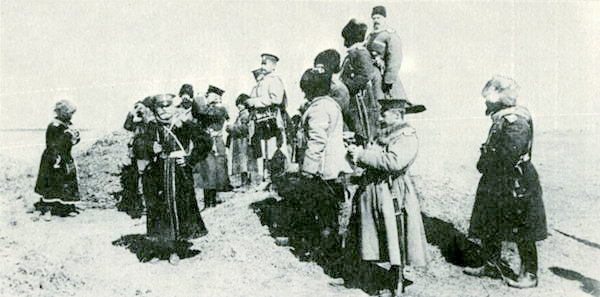
Major land battles occurred on the Liaodong Peninsula and near Mukden in Southern Manchuria, with naval battles in the Yellow Sea and the Sea of Japan. The war concluded with the Treaty of Portsmouth, mediated by US president Theodore Roosevelt, and resulted in a complete military victory for Japan, an Asian and non-Western nation, over a European and Western power, transforming the global balance of power.
- belligerents
- Russian Empire vs. Empire of Japan
- major_theaters
- Liaodong Peninsula, Mukden, Yellow Sea, Sea of Japan
- outcome
- Japanese victory; Treaty of Portsmouth
- key_mediator
- US president Theodore Roosevelt
Lore & Background
The war's origins lay in rival imperial ambitions following the First Sino-Japanese War.
Reader's Guide
The Russo-Japanese War marked the first time in the modern era that an Asian and non-Western nation achieved a complete military victory over a European and Western power. This outcome surprised international observers and transformed the global balance of power, with the Empire of Japan emerging as a great power and the Russian Empire declining in prestige among European powers. More widely, Japan's win effectively damaged the credibility of European dominance across Asia. The war also demonstrated the effectiveness of modern industrial warfare, including siege operations and naval engagements, and highlighted the strategic importance of railroads and sea power.
Did You Know?
- The treaty awarded Japan Russia's lease on the Liaodong Peninsula, control of the South Manchuria Railway, and the southern half of Sakhalin.
Gallery
More in Wars & Conflicts 1-20
Spotted an error? Know more?
This is a living reference — every entry is fact-audited, and reader corrections feed straight into our audit queue. Suggest an edit · See this site's audit record